
Health Articles
Find out more about your health here from our health professionals!

Understanding Magnesium and Sleep Health in Malaysia
Sleep Challenges in Malaysia
Sleep issues are increasingly common among Malaysians, with nearly 40% of adults reporting poor sleep quality or insufficient sleep regularly. Long working hours, high stress levels, and lifestyle habits contribute significantly to this problem, affecting mood, energy, and overall health.
Health Risks Linked to Poor Sleep
Chronic sleep problems can lead to serious health consequences, including cognitive decline, memory problems, increased risk of obesity, diabetes, heart disease, weakened immunity, and mood disturbances such as anxiety and depression. Poor sleep over time can significantly reduce overall quality of life.
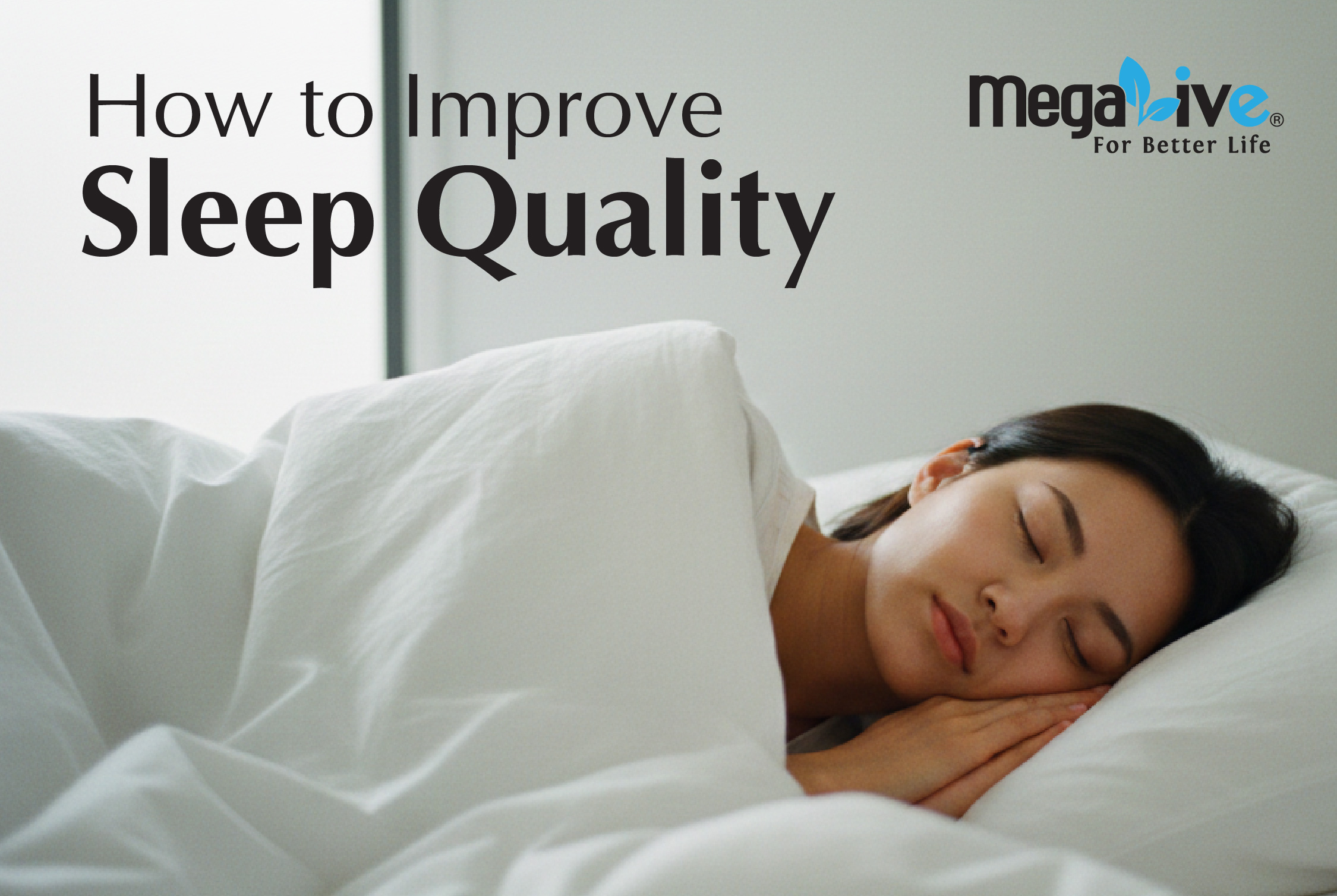
How to Improve Sleep Quality
1. Maintain a Consistent Sleep Schedule and a Restful Sleep Environment
Migraines and sleep problems are closely connected, and breaking the cycle begins with gentle adjustments to your lifestyle and environment. Maintaining a consistent sleep schedule is one of the most effective ways to regulate your internal clock. Going to bed and waking up at the same time each day supports deeper rest and may reduce the frequency of migraine episodes. Creating a restful sleep environment by keeping the bedroom cool, dark, and quiet also helps protect melatonin levels and prevents light-triggered discomfort.[1]
2. Manage Daily Stress and Stay Active with Gentle Movement
Managing stress plays an equally important role. Daily tension is a major trigger for headaches and insomnia. Simple practices such as deep breathing, stretching, journaling, or taking a slow evening walk can calm both the body and mind. Light physical activity helps improve circulation, stabilizes mood, and releases tightness around the neck and shoulders, which are areas commonly associated with migraine discomfort.[2]
3. Consider Helpful Supplements
Nutritional support may further enhance your sleep and headache relief. Magnesium relaxes muscles and the nervous system and supports deeper and more restorative sleep. It may also help reduce the intensity and frequency of migraines.[3] Selenium provides antioxidant protection that helps defend the body from oxidative stress, which can influence migraine sensitivity and overall well-being.[4] Before starting any supplement, consult a healthcare professional to ensure proper dosage and suitability.
Causes of Poor Sleep and Magnesium Deficiency
Several factors contribute to sleep disruption, including stress, irregular sleep schedules, excessive screen time, caffeine intake, and insufficient magnesium intake. Magnesium helps regulate neurotransmitters, such as GABA, which are essential for falling and staying asleep. Low magnesium levels may therefore make it harder to achieve restful sleep.
How to Evaluate Your Sleep and Nutrient Status
To assess whether sleep issues may be linked to magnesium deficiency, start by tracking your sleep with a diary noting bedtime, wake-up time, and sleep quality. Observe symptoms like fatigue, muscle cramps, irritability, or poor concentration. A healthcare professional can provide blood tests to measure magnesium levels and identify other underlying causes of sleep disruption.
Understanding Magnesium and Choosing the Right Form
Magnesium is an essential mineral involved in over 300 biochemical reactions, including energy production, muscle function, and nervous system regulation.
If your dietary magnesium intake is insufficient, supplementation may help improve sleep quality and overall wellness. Consider forms like magnesium bisglycinate or citrate, which are highly absorbable and gentle on the stomach.
Check out the link below to explore MegaLive’s magnesium products and see how they can support your daily wellness.
https://megalive.com.my/index.php?route=product/product&product_id=313
Reference :
1. Dr. Batra’s®. (2025, July 29). Migraine and sleep: Importance of quality sleep for prevention. Dr. Batra’s®. https://www.drbatras.ae/migraine-and-sleep-importance-of-quality-sleep-for-prevention#:~:text=Regular Sleep Schedule%3A Maintain a,like mindfulness or deep breathing.
2. Miles for Migraine. (n.d.). How to exercise for migraine and headache. Miles for Migraine. Retrieved November 24, 2025. https://www.milesformigraine.org/be-gentle-the-effects-of-gentle-movement-exercise-on-migraine/#:~:text=Discover%20how%20exercise%20and%20gentle%20movement%20can,and%20migraine.%20Learn%20how%20to%20get%20started.
3. Office of Dietary Supplements. (2022, June 2). Magnesium — Health Professional Fact Sheet. U.S. National Institutes of Health. https://ods.od.nih.gov/factsheets/Magnesium-HealthProfessional/#:~:text=Migraine%20headaches,of%20a%20health%20care%20provider.
4. Balali, A., Sadeghi, O., Khorvash, F., Rouhani, M. H., & Askari, G. (2024). The effect of selenium supplementation on oxidative stress, clinical and physiological symptoms in patients with migraine: A double‑blinded randomized clinical trial. https://www.frontiersin.org/journals/nutrition/articles/10.3389/fnut.2024.1369373/full
#MegaLive #ForBetterLife#MigraineRelief #BetterSleepJourney #SleepWellLiveWell #RestAndRecover #CalmMindCalmBody #WellnessDaily #HealthyHabits #MindBodyBalance #RelaxAndUnwind #NightRoutine #StressReliefTips #HolisticWellness #SelfCareEveryday #SleepSupport #FeelBetterLiveBetter #NaturalWellness #HealthyLifestyleGuide #WellbeingMatters #HealthTipsDaily #RefreshYourMind
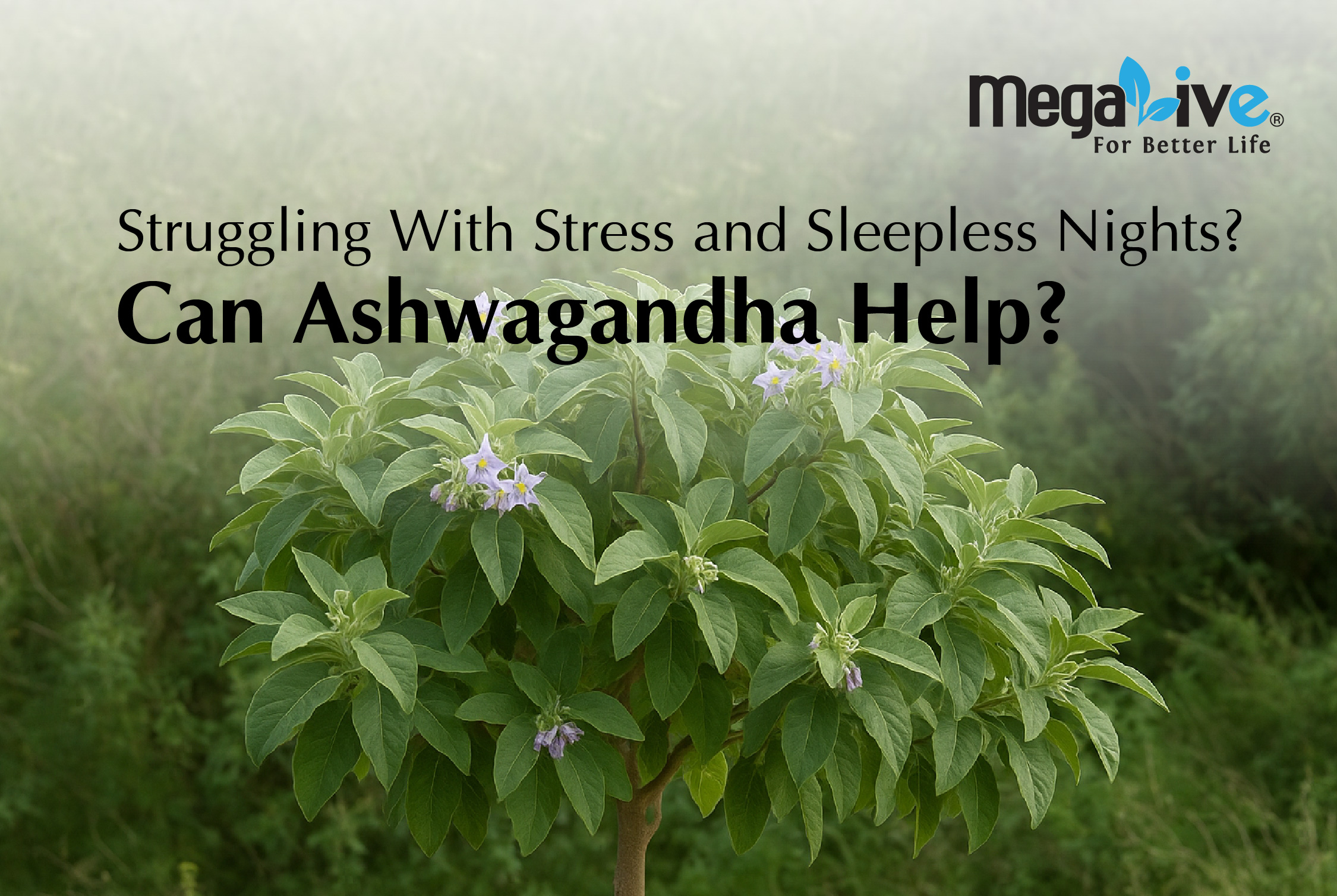
Struggling With Stress and Sleepless Nights? Can KSM-66 Ashwagandha Help?
In today’s fast-paced world, many people struggle with stress, fatigue, and restless nights. Finding a natural way to support balance in the body and mind has become more important than ever. One traditional herb that has gained attention for its wide range of health benefits is Ashwagandha.
What Is KSM-66 Ashwagandha?
Ashwagandha (Withania somnifera) is a traditional herb that has been valued for centuries in natural wellness practices. KSM-66 Ashwagandha is a high-concentration root extract made using a proprietary “Green Chemistry” process without alcohol or chemical solvents. Clinical trials show it reduces stress, improves sleep, enhances memory and cognition, boosts endurance, strength, and immunity.
Unlike synthetic sleep aids or stress relievers that may lead to dependency, Ashwagandha is a nonaddictive natural adaptogen. This means it works with your body to restore balance, helping manage stress and support overall vitality without creating reliance or harmful side effects.[1]
Supports Stress Relief
Ashwagandha is best known for its ability to help the body manage stress. By regulating cortisol levels (the stress hormone), it promotes a calmer state of mind and helps reduce feelings of tension and overwhelm. The study demonstrated that Ashwagandha root extract (600 mg/day) significantly reduced stress and anxiety assessment scores and serum cortisol levels, compared to a placebo.[2]
Promotes Restful Sleep
High stress and busy thoughts often make it hard to fall asleep. Ashwagandha has calming properties that support relaxation, making it easier to enjoy deeper, more restorative sleep. The study demonstrated that Ashwagandha root extract (600 mg/day) significantly improved sleep onset latency, improve sleep quality and duration,compared to the placebo.[3]
Supports Cognitive Health
Studies suggest that Ashwagandha may improve memory, focus, and and information processing speed by reducing oxidative stress and supporting brain function.The study demonstrated that Ashwagandha root extract (600 mg/day) significantly improved immediate memory, general memory, executive function, and attention and information processing speed, compared to placebo in adults [4]
KSM-66 Ashwagandha is a time-tested, natural approach to modern day challenges such as stress, poor sleep, and mental fatigue. Its ability to calm the mind, support restorative rest, and enhance cognitive performance makes it a powerful ally for overall well-being. By making Ashwagandha part of your wellness journey, you can embrace a healthier, more balanced lifestyle, one where your body and mind feel supported every day.
Reference:
- Chandrasekhar, K., Kapoor, J., & Anishetty, S. (2012). A prospective, randomized double-blind, placebo-controlled study of safety and efficacy of a high-concentration full-spectrum extract of ashwagandha root in reducing stress and anxiety in adults. Indian Journal of Psychological Medicine, https://pubmed.ncbi.nlm.nih.gov/33338583/
- Langade, D., Kanchi, S., Salve, J., Debnath, K., & Ambegaokar, D. (2019). Efficacy and safety of Ashwagandha (Withania somnifera) root extract in insomnia and anxiety: A double-blind, randomized, placebo-controlled study. https://journals.sagepub.com/doi/10.4103/0253-7176.106022
- Choudhary, D., Bhattacharyya, S., & Bose, S. (2017). Efficacy and safety of ashwagandha (Withania somnifera (L.) Dunal) root extract in improving memory and cognitive functions. Journal of Dietary Supplements, https://www.cureus.com/articles/22928-efficacy-and-safety-of-ashwagandha-withania-somnifera-root-extract-in-insomnia-and-anxiety-a-double-blind-randomized-placebo-controlled-study#!/
- Verma, N., & Mishra, L. C. (2021). Safety of Ashwagandha root extract: A randomized, double-blind, placebo-controlled trial. PubMed Central. https://www.tandfonline.com/doi/full/10.1080/19390211.2017.1284970

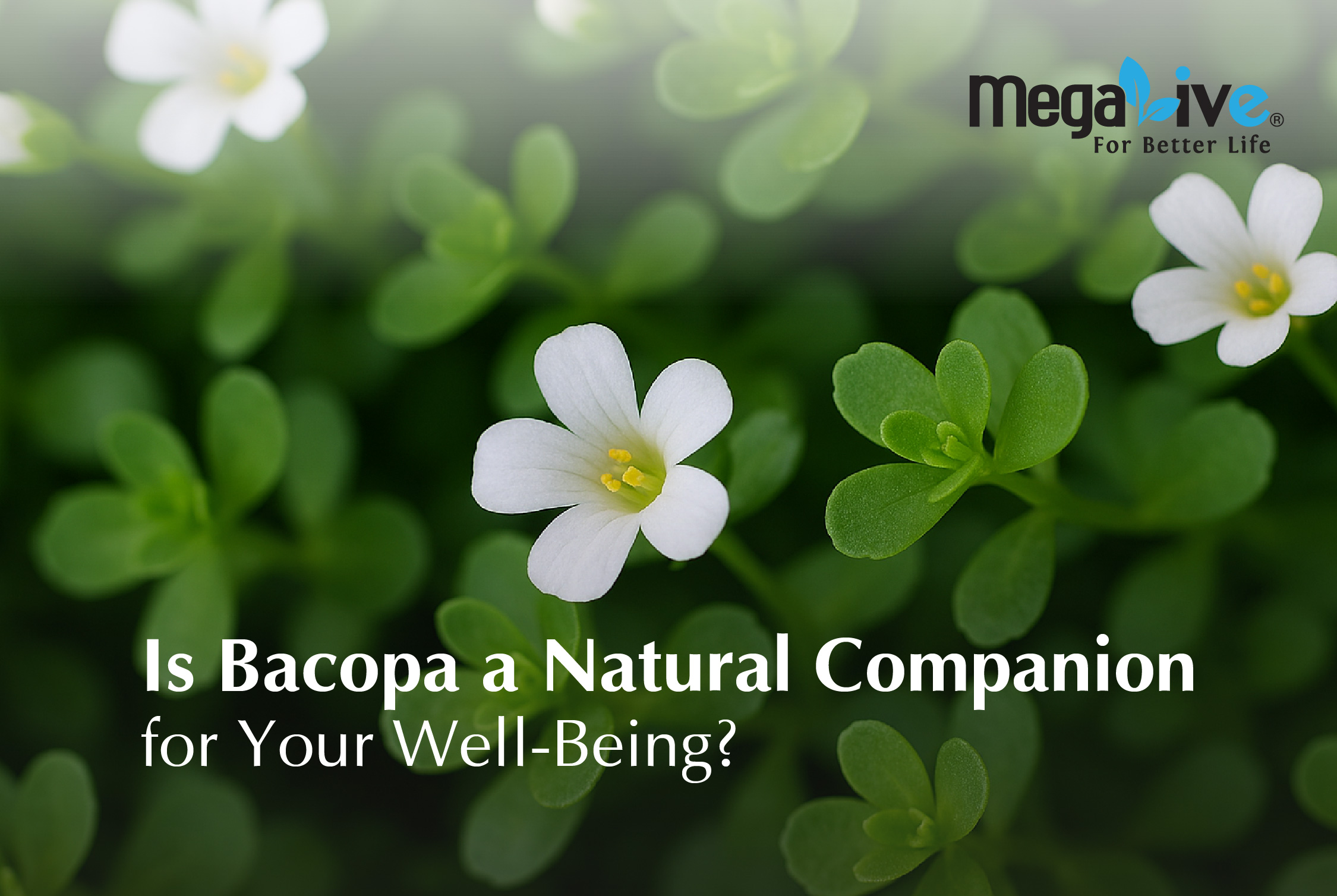
Is Bacopa a Natural Companion for Your Well-Being?
In our ever-moving world, it’s common to feel mentally fatigued or emotionally unbalanced. Many of us seek gentle, natural ways to heal, not just for the mind but for the whole self. One such blessing from nature is Bacopa, a cherished herb known for supporting healthy blood flow, nurturing the mind, heart, and vitality.
Supporting Healthy Blood Flow
When blood flow feels sluggish or when your mind and body feel a little off balance, Bacopa may offer natural relief. Animal studies show that Bacopa can increase blood flow in the brain and heart, helping support better circulation and resilience. [1]
Cognitive Enhancement and Memory Support
Bacopa is lovingly regarded as a brain tonic. Research suggests it may enhance memory, support learning, and sharpen cognitive performance. Whether you’re studying, working, or simply wanting to stay mentally clear, Bacopa offers thoughtful support.[2]
Promoting Mental Clarity and Focus
In a world filled with distractions, concentration can be elusive. Bacopa gently soothes mental fog and helps foster clear, sustained focus without feeling pressured or overwhelmed. The research demonstrated significant improvements in cognitive performance (including mental arithmetic, Stroop, letter search, and visual tracking), accompanied by enhanced mood and a reduced cortisol response to stress.[3]
A Caring Companion for Well-Being
Bacopa is more than a natural herb. It is a caring companion for times when you seek clarity, calm, and understanding. Whether your goal is to improve memory, sharpen focus, ease stress, or support circulation, Bacopa gently nurtures mind and body alike.
In a world full of demands, Bacopa reminds us that nature offers gentle paths to restore balance, well-being, inner peace, and supporting healthy blood flow.
Reference:
1. Srimachai, S., Devaux, S., & Demougeot, C., et al. (2017). Bacopa monnieri extract increases rat coronary flow and protects against myocardial ischemia/reperfusion injury. BMC Complementary and Alternative Medicine, https://doi.org/10.1186/s12906-017-1637-z
2. Shahnawaz, Z., & Choudhary, D. (2021). Effect of Bacopa monnieri extract on memory and cognitive skills in adult humans: A randomized double-blind placebo-controlled study. Journal of Clinical & Medical Case Reports. https://www.gavinpublishers.com/article/view/effect-of-bacopa-monnieri-extract-on-memory-and--cognitive-skills-in-adult-humans-a-randomized-double-blind-placebo-controlled-study
3.National Center for Biotechnology Information. (2022). Bacopa Monnieri.StatPearls Publishing. https://www.ncbi.nlm.nih.gov/books/NBK589635/

Feel Calm and Balanced with Magnesium Bisglycinate

Magnesium is an essential mineral that supports hundreds of biochemical reactions in the body, yet many people today do not get enough of it through diet alone. Among the various forms of magnesium supplements available, magnesium bisglycinate stands out for its high bioavailability and gentle effect on the digestive system.
Support Muscle Relaxation and Reduce Cramps
Magnesium plays a critical role in muscle contraction and relaxation. Magnesium bisglycinate is often used to help relieve muscle tension, spasms, and cramps, especially for athletes or individuals prone to nighttime leg cramps [1].This form is absorbed efficiently by the body, allowing for faster and more noticeable relief of muscle discomfort .
Promote Better Sleep Quality
Magnesium bisglycinate is commonly recommended for people struggling with sleep issues. It helps calm the nervous system by enhancing the activity of GABA (gamma-aminobutyric acid), a neurotransmitter that promotes relaxation. Magnesium may play a role in regulating GABA, which could help promote calm and improve sleep.[2]
Reduce Stress and Anxiety
Studies have shown that magnesium supplementation helps relieve common stress-related symptoms, such as fatigue, irritability, and sleep disturbances. Among individuals under stress, a daily intake of 250–400 mg of magnesium has been linked to various benefits, including lower cortisol levels, increased red blood cell magnesium, and improved heart rate variability, which reflects better stress response via the parasympathetic nervous system.[3]
Final Thought
Whether you're dealing with tight muscles, sleepless nights, or a racing mind, magnesium bisglycinate offers a gentle, effective way to restore balance. It’s a smart choice for those seeking daily support for stress, sleep, and muscle health. Adding magnesium bisglycinate to your wellness routine may be the small change that brings a big sense of calm.
References:
-
Rogeberg, A. M. L., & Størkson, R. V. (2021). Magnesium in the treatment of leg cramps: A literature review. Scandinavian Journal of Primary Health Care, 39(1), 5–10. https://www.ncbi.nlm.nih.gov/pmc/articles/PMC8020016/
-
Sandoiu, A. (2023). Magnesium for sleep: Benefits and risks. Medical News Today. https://www.medicalnewstoday.com/articles/magnesium-for-sleep
-
Pickering, G., Mazur, A., Trousselard, M., Bienkowski, P., Yaltsewa, N., Amessou, M., Noah, L., & Pouteau, E. (2020). Magnesium status and stress: The vicious circle concept revisited.

Stress: How to handle it
Stress can be defined as the body’s reaction to any change that requires an adjustment or response. The body reacts to these changes with physical, mental, and emotional responses. Stress is a normal part of life. You can experience stress from your environment, your body, and your thoughts. Even positive life changes such as a promotion, a mortgage, or the birth of a child produce stress.(1)
The human body is designed to experience stress and react to it. Stress can be positive, keeping us alert, motivated, and ready to avoid danger. Stress becomes negative when a person faces continuous challenges without relief or relaxation between stressors. As a result, the person becomes overworked, and stress-related tension builds. The body’s autonomic nervous system has a built-in stress response that causes physiological changes to allow the body to combat stressful situations. This stress response, also known as the “fight or flight response”, is activated in case of an emergency. However, this response can become chronically activated during prolonged periods of stress. Prolonged activation of the stress response causes wear and tear on the body – both physical and emotional.(2)
Stress that continues without relief can lead to a condition called distress – a negative stress reaction. Distress can disturb the body’s internal balance or equilibrium, leading to physical symptoms such as headaches, an upset stomach, elevated blood pressure, chest pain, sexual dysfunction, and problems sleeping. Emotional problems can also result from distress. These problems include depression, panic attacks, or other forms of anxiety and worry. Research suggests that stress also can bring on or worsen certain symptoms or diseases. Stress is linked to 6 of the leading causes of death: heart disease, cancer, lung ailments, accidents, cirrhosis of the liver, and suicide.(3)
Stress also becomes harmful when people engage in the compulsive use of substances or behaviors to try to relieve their stress. These substances or behaviors include food, alcohol, tobacco, drugs, gambling, sex, shopping, and the Internet. Rather than relieving the stress and returning the body to a relaxed state, these substances and compulsive behaviors tend to keep the body in a stressed state and cause more problems. The distressed person becomes trapped in a vicious circle.

It may seem that there’s nothing you can do about your stress level. The bills aren’t going to stop coming, there will be never be more hours in the day for all you errands, and your career or family responsibility will always be demanding. But you have a lot more control that you might think. In fact, managing stress is all about taking charge of your thoughts, your emotion, your schedule, your environment, and the way you deal with problems. The ultimate goal is a balanced life, with time for work, relationship, relaxation, and fun plus the resilience to hold up under pressure and meet challenges head on. (4)
Stress management starts with identifying the sources of stress in your life. This isn’t as easy as it sounds. Your true sources of stress aren’t always obvious, and it’s all too easy to overlook your own stress-inducing thoughts, feelings and behaviours. Sure, you may know that you’re constantly worried about work deadlines. But maybe it’s your procrastination, rather that the actual job demands, that leads to deadline stress.
To identify your true sources of stress, look closely at your habits, attitude, and excuses:
-
Do you explain away stress as temporary (“I just have a million things going on right now”) even though you can’t remember the last time you took a breather?
-
Do you define stress as an integral part of your work or home life (“Things are always crazy around here”) or as a part of your personality (“I have a lot of nervous energy, that’s all”)
-
Do you blame your stress on other people or outside events, or view it as entirely normal and unexceptional?
Until you accept responsibility for the role you play in creating or maintaining it, your stress level will remain outside your control.
Stress management strategy 1: Avoid unnecessary stress
Not all stress can be avoided, and it’s not healthy to avoid a situation that needs to be addressed. You may be surprised, however, by the number of stressors in your life that you can eliminate.
-
Learn how to say “no” – Know your limits and stick to them.
-
Avoid people who stress you out.
-
Take control of your environment – If the evening news makes you anxious, turn the TV off. If traffic’s got you tense, take a longer but less-traveled route.
-
Avoid hot-button topics – If you get upset over religion or politics, cross them off your conversation list.
-
Pare down your to-do list – Analyze your schedule, responsibilities, and daily tasks
Stress management strategy 2: Alter the situation
If you can’t avoid a stressful situation, try to alter it. Figure out what you can do to change things so the problem doesn’t present itself in the future. Often, this involves changing the way you communicate and operate in your daily life.
-
Express your feelings instead of bottling them up. If something or someone is bothering you, communicate your concerns in an open and respectful way.
-
Be willing to compromise. When you ask someone to change their behavior, be willing to do the same.
-
Be more assertive. Don’t take a backseat in your own life. Deal with problems head on, doing your best to anticipate and prevent them
-
Manage your time better. Poor time management can cause a lot of stress
Stress management strategy 3: Adapt to the stressor
If you can’t change the stressor, change yourself. You can adapt to stressful situations and regain your sense of control by changing your expectations and attitude.
-
Reframe problems. Try to view stressful situations from a more positive perspective
-
Look at the big picture. Take perspective of the stressful situation.
-
Adjust your standards. Perfectionism is a major source of avoidable stress.
-
Focus on the positive. When stress is getting you down, take a moment to reflect on all the things you appreciate in your life, including your own positive qualities and gifts.
Stress management strategy 4: Accept the things you can’t change
Some sources of stress are unavoidable. You can’t prevent or change stressors such as the death of a loved one, a serious illness, or a national recession. In such cases, the best way to cope with stress is to accept things as they are. Acceptance may be difficult, but in the long run, it’s easier than railing against a situation you can’t change.
-
Don’t try to control the uncontrollable. Many things in life are beyond our control— particularly the behavior of other people.
-
Look for the upside. As the saying goes, “What doesn’t kill us makes us stronger.” When facing major challenges, try to look at them as opportunities for personal growth.
-
Share your feelings. Talk to a trusted friend or make an appointment with a therapist.
-
Learn to forgive. Accept the fact that we live in an imperfect world and that people make mistakes
Stress management strategy 5: Make time for fun and relaxation
Beyond a take-charge approach and a positive attitude, you can reduce stress in your life by nurturing yourself. If you regularly make time for fun and relaxation, you’ll be in a better place to handle life’s stressors when they inevitably come.
Healthy ways to relax and recharge
-
Go for a walk.
-
Spend time in nature.
-
Call a good friend.
-
Sweat out tension with a good workout.
-
Write in your journal.
-
Take a long bath.
-
Light scented candles
-
Savour a warm cup of coffee or tea.
-
Play with a pet.
-
Work in your garden.
-
Get a massage.
-
Curl up with a good book.
-
Listen to music.
-
Watch a comedy
Don’t get so caught up in the hustle and bustle of life that you forget to take care of your own needs. Nurturing yourself is a necessity, not a luxury.
-
Set aside relaxation time. Include rest and relaxation in your daily schedule.
-
Connect with others. Spend time with positive people who enhance your life.
-
Do something you enjoy every day. Make time for leisure activities that bring you joy, whether it be stargazing, playing the piano, or working on your bike.
-
Keep your sense of humor. This includes the ability to laugh at yourself
Stress management strategy 6: Adopt a healthy lifestyle
You can increase your resistance to stress by strengthening your physical health.
-
Exercise regularly. Physical activity plays a key role in reducing and preventing the effects of stress
-
Eat a healthy diet. Well-nourished bodies are better prepared to cope with stress, so be mindful of what you eat.
-
Reduce caffeine and sugar. The temporary “highs” caffeine and sugar provide often end in with a crash in mood and energy.
-
Avoid alcohol, cigarettes, and drugs. Self-medicating with alcohol or drugs may provide an easy escape from stress, but the relief is only temporary.
-
Get enough sleep. Adequate sleep fuels your mind, as well as your body.
References
-
Robinson, L., Smith, M. and Segal, R., 2011. Stress Management: How To Reduce, Prevent, And Cope With Stress | Brainline. [online] BrainLine. Available at: <https://www.brainline.org/article/stress-management-how-reduce-prevent-and-cope-stress> [Accessed 15 April 2020].
-
National Institute of Mental Health. Fact sheet on stress Accessed 12/9/2014.
-
American Psychological Association. Stress: the different kinds of stress Accessed 12/9/2014.
-
Office on Women’s Health. Stress and your health fact sheet Accessed 12/9/2014

What is Ashwagandha?
Ashwagandha is the kind of herb that is commonly used in Ayurveda (the traditional medicine system in India). It is derived from a Sanskrit word which means the smell of horses, which refers to both its unique smell and ability to increase strength. Its botanical name is Whitania Somnifera, also known as ‘Indian winter cherry’ or ‘Indian ginseng’. Ashwagandha has adaptogen properties that can help the body relieve stress.

Health benefits of ashwagandha (1, 2, 3)
Ashwagandha has been used for over 3000 years; thus, from its mere traditional usage, it has evolved into a modern capsule supplement where people can get it easily, anywhere. Though there are many health benefits of ashwagandha, some of them do not have a conclusive study finding.
The available scientific data support the conclusion that Ashwagandha is a regenerative tonic due to its multiple pharmacological actions like anti-stress, neuroprotective, anti-tumor, anti-arthritic, analgesic, and anti-inflammatory. It is useful for different types of diseases like Parkinson's, dementia, memory loss, stress-induced diseases, malignoma, and others.
Ashwagandha and neurodegenerative disease (1, 2, 4)
Neurodegenerative disease is usually caused by cognitive impairment. Diseases such as Alzheimer's, Parkinson's, and Huntington's are found to improve after the usage of ashwagandha, in the sense that it slows, stops, reverses, or removes neutritic athropy. It is also said to be used at any stage of the disease, even before a person has been diagnosed with mild forgetfulness.
Ashwagandha and mental health (4,5)
Ashwagandha induced a calming anxiolytic (anti-anxiety) effect that was comparable to the drug Lorazepam in all three standard tests: anxiety tests (the elevated plus-maze), social interaction, and feeding latency in an unfamiliar environment. Moreover, both Ashwagandha and Lorazepam reduced rat brain levels of tribulin, a marker of anxiety.
Ashwagandha also exhibited an antidepressant effect comparable with that induced by imipramine in two standard tests, the forced swim-induced behavioural despair’ and ‘learned helplessness’ tests. The investigations support the use of Ashwagandha as a mood stabiliser in clinical conditions of anxiety and depression.
Another study that was conducted using a prospective, randomised, controlled, double-blind method found that the group that was given ashwagandha root extract exhibited a significant reduction in cortisol level (the stress hormone) as compared to the group that received placebo.

Ashwagandha and arthritis (4, 1)
Ashwagandha is considered an analgesic since it has the ability to relieve pain. Ashwagandha acts on the nervous system to prevent pain signals from being sent. It is also thought to have some anti-inflammatory properties. For this reason, some research has shown it to be effective in treating arthritis.
References
-
Franziska Spritzler (2019). 12 Proven Health Benefits if Ashwagandha. https://www.medicalnewstoday.com/articles/318407 (Accessed on September 1, 2020).
-
Ashwagandha (n.d). https://www.webmd.com/vitamins/ai/ingredientmono-953/ashwagandha (Accessed on September 1, 2020).
-
Medical News Today. Benefits of ashwagandha (2016). https://www.medicalnewstoday.com/articles/318407 (Accessed on September 1, 2020).
-
Singh et. al. (2011). An Overview of Ashwagandha: A Rasayana (rejuvenator) of ayuverda. Afr J Tradit Complement Altern Med. 2011; 8(5 Suppl): 208–213. doi: 10.4314/ajtcam.v8i5S.9
-
Chandrasekar et. Al. (2012). A Prospective, Randomized Double-Blind, Placebo-Controlled Study of Safety and Efficacy of a High-Concentration Full-Spectrum Extract of Ashwagandha Root in Reducing Stress and Anxiety in Adults. Indian J Psychol Med. 2012 Jul-Sep; 34(3): 255–262. doi: 10.4103/0253-7176.106022: 10.4103/0253-7176.106022

Sleep hygiene: Is it important?
Sleep hygiene refers to a healthy routine sleep habit that helps one sleep throughout the night or get enough quality sleep. These habits are the cornerstone of cognitive behavioural therapy, the most effective long-term treatment for people with chronic insomnia.
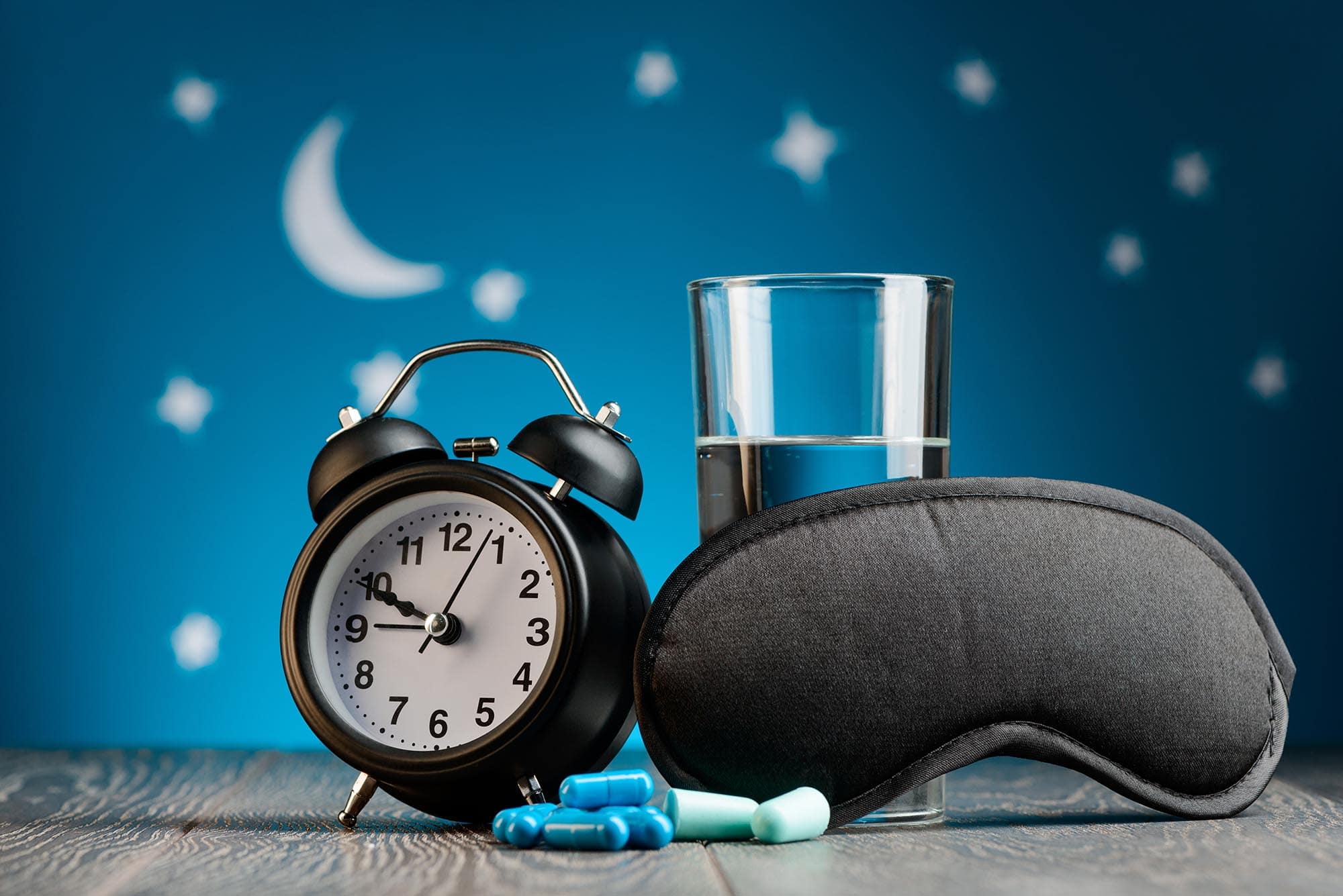
There are certain habits that should be cultivated if you are experiencing poor sleeping habits before you opt to take medication or any remedies. You should consider practising good sleeping hygiene, such as going to bed at the same time every night and being consistent with it. Make sure the bedroom is quiet, dark, relaxing, and at a comfortable temperature. Remove electronic devices, such as TVs, computers, and smartphones, from the bedroom. Avoid large, heavy meals, caffeine, and alcohol before bedtime. Regular exercise during the day is able to make one fall asleep easily at night.
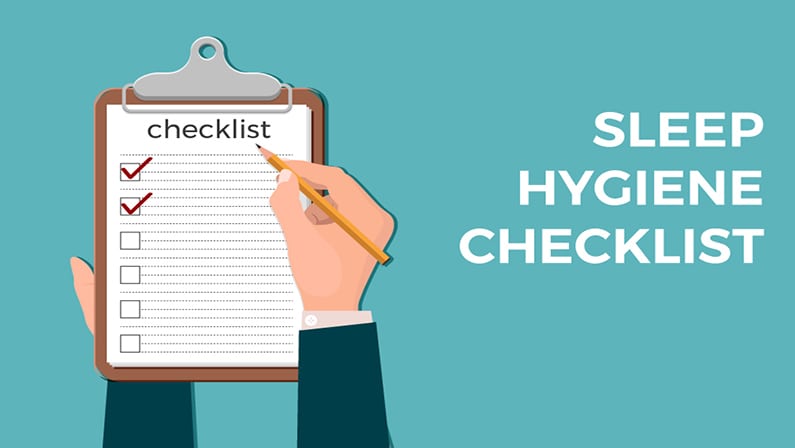
How can all these habits help you get good-quality sleep? (3)
Behaviour during the day and before bedtime has a major impact on sleep. Either it can promote healthy sleep or contribute to sleeplessness.
The daily routines that include what we consume, the medication that we take, how we schedule our days, and how we spend our evenings can significantly affect the quality of sleep. Sometimes, for a person who is experiencing trouble sleeping, it takes only a slight adjustment in their daily routines, or in some cases, they are required to write a two-week diary to help them understand their routines that affect their sleep quality.
Why is good-quality sleep important? (3,4)
Insufficient sleep has major health consequences for adults, adolescents, and young children. Strong evidence found that adults who have insufficient sleep develop numerous health complications, including an increased incidence of chronic disease. Those who have short sleep duration (less than 7 hours per night) and poor sleep quality are associated with cardiovascular morbidity and metabolic disorders such as glucose intolerance, which will also lead to obesity, diabetes, heart disease, and hypertension. Individuals who experience shorter sleep duration are at 1.48 times greater risk of developing and dying of coronary heart disease than those who have sufficient sleep, and they are 1.15 times more likely to have a stroke.
Adults who sleep less than 7 hours per night also have greater difficulty concentrating, remembering, and performing daily activities than those who sleep 7 to 9 hours per night.
When it comes to children, those who experience shorter sleep durations are more likely to become obese than those who do not. Insufficient sleep also affects immunologic function and the development of mood disorders and is associated with depression, deficits in cognition, memory, and learning, and reduced quality of life.
One major consequence of insufficient sleep is daytime sleepiness, which reduces alertness and causes slow reaction times, leading to occupational and medical errors, workplace injuries, impaired driving, and motor vehicle accidents. In 2009, almost 5% of adults in 12 states reported that during the previous 30 days they had nodded off or fallen asleep while driving. In 2005, drowsy driving contributed to 100,000 motor vehicle accidents and 15,000 deaths.
What needs to be done? (4)
As medical practitioners such as doctors, nurses, pharmacists, nutritionists, etc., one must consider the sleeping factor when advising lifestyle modification. One must also ensure that patients or customers are well informed regarding the medication or supplement that they are taking, which will induce symptoms that hinder them from sleeping, such as tachycardia (irregular heart rate), etc. Thus, they need to adjust the timing of medication consumption, sleeping time, and daily activities. One must also consider the sleep factor in finding the diagnosis or underlying cause of one’s health condition.
At this point, the public must be reminded that sleep is an essential factor in maintaining health, especially for diseases like hypertension. There are various factors that can hinder sleep or cause trouble sleeping, so adjustments in lifestyle sometimes need to be made for the improvement of life quality.
References
-
Centre for Disease Control and Prevention (CDC). Tips for better sleep (2016). https://www.cdc.gov/sleep/about_sleep/sleep_hygiene.html (Accessed on September 4, 2020).
-
American Academy of Sleep Medicine (AASM). Healthy Sleep Habits (2017). http://sleepeducation.org/essentials-in-sleep/healthy-sleep-habits (Accessed on September 4, 2020).
-
Sleep Foundation. Nilong Vyas. Sleep Hygiene (2020). https://www.sleepfoundation.org/articles/sleep-hygiene (Accessed on September, 2020).
-
Irish, L.A., et al. (2015). The Role of Sleeping Hygiene in Promoting Public Health: A Review of Empirical Evidence. Sleep Medicine Reviews. Volume 22, Pages 23-36. https://doi.org/10.1016/j.smrv.2014.10.001
Sleep and Chronic Diseases
Sleep is always less likely to be linked with chronic diseases, since many people think that it is something that is not related. However, sleep disturbance might be caused by symptoms of chronic diseases, or the other way around, where sleep disorders can eventually lead to chronic diseases. That is to describe how tight the cycle is between sleep and chronic diseases (1).
Chronic disease is the kind of disease that lasts for a long time, such as Diabetes and Cardiovascular diseases. It usually cannot be cured, so it needs to be managed (1, 2).
Two elements that contribute to sleep disorders are the chronic fatigue and pain that people with chronic illnesses experience on a daily basis. They struggle to get to sleep at night and are sleepy all day as a result of this condition. The depression or anxiety that people with chronic diseases experience in relation to their illness can also be a cause of their nighttime sleep disturbances. Certain medications taken by people with chronic illnesses can occasionally cause conditions that prevent them from falling asleep (1, 2).
Sleep, diabetes, obesity, and cardiovascular diseases.
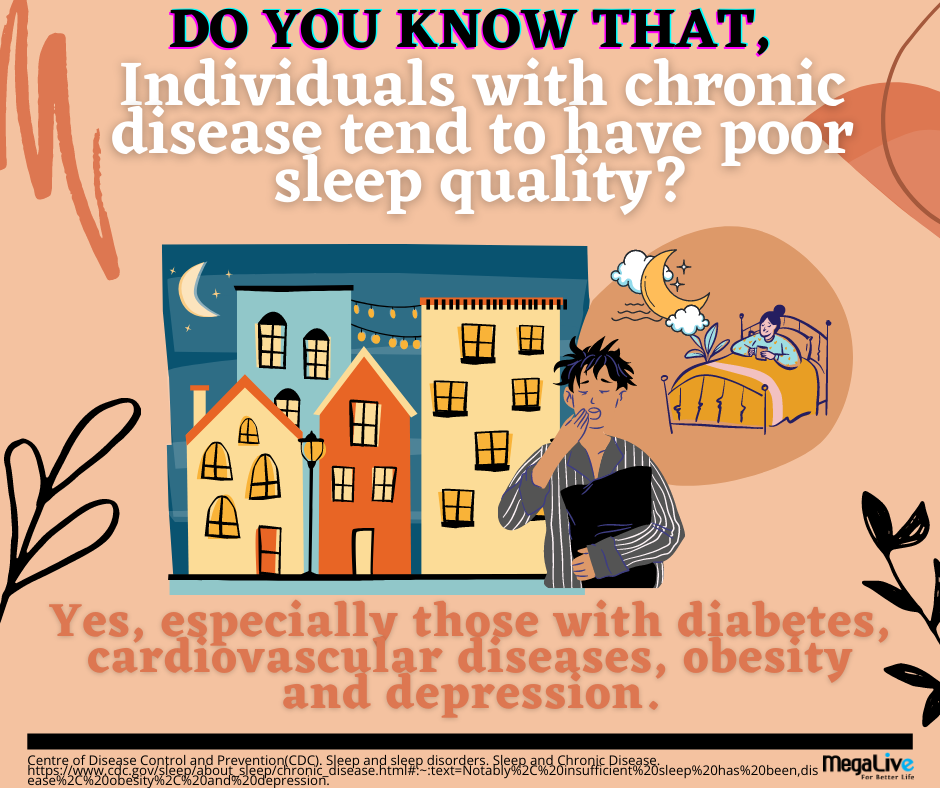
Diabetes and sleep problems often go hand in hand. Diabetes can cause sleep loss, and not sleeping well can cause diabetes due to frequently eating at night, which will then lead to obesity and various underlying factors (3, 4).
Individuals with diabetes who experience a spike in blood sugar will not have good quality sleep since the kidney is trying hard to excrete the sugar by urinating, so individuals with a spike in blood sugar level will usually experience getting up and going to the toilet all night long (3, 4). Thus, the only solution to this is to control blood glucose levels, eat well during the day, and eventually experience a good sleep at night.
Touching on the fact that not sleeping well can cause diabetes due to frequently eating at night, one study, found that people who get less sleep tend to be heavier than those who sleep well, since being overweight is a risk factor for the development of diabetes (3, 4).
Obese individuals also experience sleep apnea, a condition of sleep disorder indicated by loud snoring and paused breathing when you sleep. The culprit behind this may be the weight gain, which causes fat to deposit around the upper airway and obstruct breathing (3, 4).
There are many effective treatments for sleep apnea. These include lifestyle changes such as weight loss for mild cases and devices to open-up blocked airways for more significant cases (3, 4).
As for sleep and cardiovascular diseases, when we sleep, our blood pressure goes down. This makes our body and mind relax and be calm. However, for individuals with sleep problems, their blood pressure level will stay higher for a long time since it does not get the chance to rest. Thus, prolonged high blood pressure can lead to various heart disease problems, such as stroke (5).
Conclusion
Sleep is as important as eating. It acts as the reset button for the whole-body function. It allows the body's systems to realign, grow, and slow down before it kicks off another day. Thus, do yourself a favour today by getting sufficient quality sleep.
But if you already have trouble sleeping, find out ways to improve it either by managing your underlying health condition that hinders you from getting good sleep or by following some sleeping hygiene techniques in order to train your body and mind to fall asleep. It is not a one-day job; it requires many days, weeks, and perhaps months, but if you are consistent, it will surely have a fruitful result. Happy sleeping, and live your life to the fullest.
References
-
Centre of Disease Control and Prevention (CDC). Sleep and Sleep disorder. Sleep and Chronic Diseases. https://www.cdc.gov/sleep/about_sleep/chronic_disease.html#:~:text=Notably%2C%20insufficient%20sleep%20has%20been,disease%2C%20obesity%2C%20and%20depression. (Accessed on September 11, 2020).
-
Sleep and Chronic Illness. https://www.webmd.com/sleep-disorders/sleep-disorders-sleep-and-chronic-illness (Accessed on September 11, 2020).
-
The Sleep – Diabetes Connection. https://www.webmd.com/diabetes/features/diabetes-lack-of-sleep (Accessed on September 11,2020).
-
Deepak Khandelwal, Deep Dutta, Sachin Chittawar, and Sanjay Kalra (2017). Sleep Disorders in Type 2 Diabetes. Indian J Endocrinol Metab. 21(5): 758–761. DOI: 4103/ijem.IJEM_156_17
-
Centre of Disease Control and Prevention (CDC). How does sleep affects your heart health. https://www.cdc.gov/features/sleep-hearthealth/index.html#:~:text=Adults%20who%20sleep%20less%20than,attack%2C%20asthma%2C%20and%20depression.&text=Some%20of%20these%20health%20problems,High%20blood%20pressure. (Accessed on September 11, 2020).

Stress and Sleep
Stress is a response to challenging circumstances that we are in; it is also a response to things that happen in our daily lives. Everything that happens, be it in our daily lives or not (to someone else), can somehow affect us emotionally, physically, and behaviorally. Stress is not all bad; the right amount of stress will act as a precursor to help us do our best and keep us alert and energetic. However, too much stress can make us tense and anxious and hinder our sleep quality (1, 2).
What is making you stressed might not make others stressed, and vice versa. When it comes to stress, there are just no standard parameters to measure. Since the amount of stress that individuals perceive differs from one another, even when it stems from the same source of stress (1, 2, 3).
Stress induces multiple body reactions in the brain, nervous system, endocrine system (hormones), and immune system. Research named it hyperarousal, which is a state when our body is in a stress state. In other words, our brain perceives the condition as being on alert (1, 2, 4).
The signs of a hyperarousal state include the fact that you cannot shut down your busy mind. Your mind seems to have no shut-down button. It keeps going over and over your stress, worries, and frustrations, which you contemplate from various angles. Which is also one of the reasons that hinder you from getting enough quality sleep. Secondly, when you are experiencing muscle tension for no reason, It can be aches in areas such as the neck and shoulders or a constant headache. Thirdly, when you are experiencing a heart race. This is particularly associated with the hormone cortisol (a stress hormone). This will then result in a condition where your body and brain are wide awake, making it difficult for you to fall asleep. This explains why individuals who are stressed experience sleep disturbance. (1)

It is unfair to discuss in the area that stress causes sleep disturbances without noting that there are other conditions that will make individuals who experience stress sleep excessively as well. It is somewhat a mystery to experts as well, though it is hypothesised due to the different kinds of stress that individuals experience and the different coping mechanisms they develop in adapting to different stressors (3).
What to do (4)
Fortunately, there are habits that, if you cultivate them diligently, will train your mind to ease stress and help you sleep. First, practise relaxation exercises such as progressive muscle relaxation or deep breathing techniques before turning in for the night. This technique can help you unwind. It will help your body and mind dial down the stress. It is also wise to actually have relaxing pre-sleep rituals, such as changing into comfortable clothing for sleep, dimming your bedroom light, being in a comfortable situation, taking a warm bath or drinking a cup of warm water or milk, avoiding caffeinated drinks like soda, tea, and coffee in the late afternoon, and slowly nesting yourself.
Of course, these are not tips that will work for everybody; anyhow, you've just got to do some trial and error. You just have to give it a try and adjust it accordingly so that it will suit your condition better.
Lastly, if you have anything in your mind that is stressing you out, think of it as just a phase that you have to endure. Whatever situation you are in, you know it better than anyone else since you have the key to getting yourself out of it. You are in masterful control of it; soon you will be out of this. Think positive thoughts and try to talk to someone you trust. If you think your condition is worsening, it may be a sign for you to seek medical help.
References
-
Sleep Foundation.org. National Sleep Foundation. Stress and Insomnia (July 2020). https://www.sleepfoundation.org/articles/stress-and-insomnia (Accessed on September 20, 2020).
-
Sleep Foundation.org. National Sleep Foundation. Relaxation Exercises for Falling Asleep (July 2020). https://www.sleepfoundation.org/shift-work-disorder/shift-work-you/relaxation-exercises-falling-asleep (Accessed on September 20, 2020).
-
Kim, E. J., & Dimsdale, J. E. (2007). The effect of psychosocial stress on sleep: a review of polysomnographic evidence. Behavioral sleep medicine, 5(4), 256-278.
-
Tips to reduce stress and Sleep better (2019). https://www.webmd.com/sleep-disorders/tips-reduce-stress (Accessed on September 20, 2020).
Sleep and sleep disorders
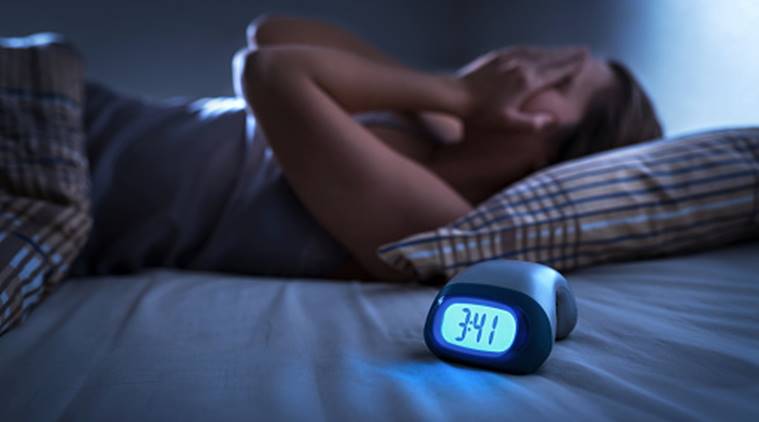
Sleep disorder is a group of condition that affects individuals’ ability to fall asleep on daily basis, in another word it is a disruption to sleep pattern. It is a wide spectrum of diseases, it refers to the alteration in the sleep quality, quantity, and pattern. It could be due to stress or it is an underlying problem to diseases. This condition can also persist in long term or short term. The recommended sleeping hour for normal adults are about 6-8 hours, whilst for children the sleeping hours is even longer (e.g: newborn up to 16 hours), however as for elderly usually it is shorter which is only about 4-5 hours of sleep.
Cause of sleep disorder?
Common cause of sleep disorders includes work in the shift hour, physical problems such as difficulty in breathing, frequent urination at night, pain (e.g: arthritis). It can also be due to psychological or psychiatric disorders such as schizophrenia, depression, anxiety disorders, and stress. Another condition that can lead to sleep disorder or sleep disruption includes drugs and alcohol abuse, or if individuals is exposed to environment that is not suitable for sleeping.
The interruptions or alterations in sleeping quality, quantity and pattern can affect body more than we think of, since sleep primary functions is to provide rest and restoring body’s energy levels.
Currently the problem with regards to sleeping has increase tremendously. If this condition prolonged individuals should quickly seek help from medical professionals.
Signs for sleep disorder?
The signs for sleep disorder is when individuals consistently taking more than 30 minutes to fall asleep, waking up several times in the middle of the night and remain awake for hours, easily irritate during the day (even after seven to eight hours of sleep at night), frequent and/or long nap during the day, difficult to concentrate at work or school, waking up too early in the morning, loud snoring while asleep, require stimulant such as caffeine to keep you awake during the day, sometimes certain people even experience irresistible urge to move legs, or a tingling or crawling feeling in the legs, particularly at bedtime.
Common sleep disorder is insomnia, it includes symptoms like, feeling not fresh in the morning even after you have sleep for 7 – 8 hours, waking up too early in the morning, and trouble falling asleep or staying asleep. The American College of Physicians (ACP) recommends cognitive behavioural therapy (CBT) as a first-line treatment for chronic insomnia in adults. Apart from this, sleep hygiene training is also recommended and should be introduce to individuals with insomnia. Sometimes, there are behaviour that interfere with difficulty in sleep thus by cultivating healthy sleeping habits it can help you to change some of these disruptive behaviours.
Apart from insomnia, sleep apnea is also one of the common sleep disorders. It is defined as interrupted sleep caused by periodic gasping or snorting noises, or the momentary suspension of breathing. A deviated septum or polyps in the sinuses can cause difficult breathing during sleep. Individuals with sleep apnea usually unable to get enough oxygen while sleeping thus causing sleep disturbance.
Other known sleep disorder includes, narcolepsy, a condition when a person cannot control when they fall asleep and they will have episodes of unwanted sleep. Circadian rhythm sleep disorder is a condition in which a person has trouble aligning their body natural inclination for sleep with the rising and setting of sun. Klein-Levin syndrome a.k.a sleeping beauty syndrome, a condition in which a person will sleep for period of two or more days at a time.
Conclusion
Sleep disorder happen, it can be either due to stress such the common one insomnia or due to symptoms of other disease or disorder such as sleep apnea and ‘beauty sleep’ syndrome, so if you happened to know anyone with such struggle or you, yourself experience it, quickly seek medical helps.
References
- Warning Signs of a Sleep Disorder. https://www.healthline.com/health/sleep-disorders-warning-signs (Accessed on September 18, 20).
- Everything you need to know about insomnia. https://www.healthline.com/health/insomnia (Accessed on September 18, 20).
- Fighting Insomnia with Therapy. https://www.healthline.com/health-news/fighting-insomnia-with-therapy#1 (Accessed on September 18, 20).
- Ministry of Health Malaysia. MyHealth Portal. Sleep Disorder. http://www.myhealth.gov.my/en/sleep-disorder/ (Accessed on September 18, 20).

Sleeping Pills & Natural Sleep Aid

Sleeping pills are a class of sedatives which act on the central nervous system and help a person fall asleep quickly. There are a few types of medicines that can produce sedative effects. Examples are antidepressants, barbiturates, and benzodiazepines. Benzodiazepines are the most common anxiolytics and hypnotics. Some Benzodiazepines are used to relieve anxiety, alcohol withdrawal, panic disorders and certain seizures disorders.
Sleeping pills usually lose its effect after a while because body gets used to the medicine, thus explain why it can only be used for short duration. There is also common side effect from taking sleeping pills such as drowsiness, dizziness, lack of co-ordination and slurred speech
Natural Sleep Inducers, melatonin in Malaysia? (3)
Which is why for some people before they opt for sleeping pills, they prefer to try natural remedies to induce sleep. In Malaysia it is not common, and it is based upon prescription to obtain melatonin. However, in U.S melatonin is one of the common over the counter (OTC) medicine where people can just purchase to improve their sleep quality.
Milk and sleep? (4)
Among range of products of natural remedies where people can look for when it comes to sleep aid are, it is advisable to drink warm milk before sleep to induce sleep. The science behind it is due to tryptophan and melatonin compound in milk. Tryptophan is an amino acid found in a variety of protein-containing foods. It plays an important role in the production of the neurotransmitter known as serotonin. Serotonin boosts mood, promotes relaxation, and functions as a precursor in the production of the hormone melatonin. Melatonin, also known as the sleep hormone, is released by your brain. It helps regulate your circadian rhythm and prepare your body for entering a sleep cycle. However, there is currently no evidence to suggest that a single glass of milk contains enough tryptophan or melatonin to significantly influence your body’s natural production of melatonin or to independently treat a disordered sleeping pattern. The same thing goes to the temperature of milk and how does it affect sleep, it is just that warm liquids have calming effect on the nervous system and may be more effective for lulling you into sleep than cold drinks. However, result depends on the individual. According to studies, any bedtime ritual can actually improve sleeping quality, since it helps body to slow down and relax, it gives signal to body to shut down.
Valerian and sleep? (3,5)
Apart from this, valerian is usually use for centuries in helping individuals to sleep better. It is an herbal medicine made from the root of the plant. It has been noted to act as sedative, according to study, valerian can be helpful in treating insomnia and improving sleep quality. Although more research is needed to establish this, but studies show that taking valerian can reduce the amount it takes to fall asleep by about 15 to 20 minutes. Doses of 400-900 mg of valerian extract taken up to 2 hours before bed seem to work best. Continuous use for several days, even up to four weeks, may be needed before an effect is noticeable. Some studies show that valerian can help improve sleep when combined with other herbs, including hops and lemon balm. Taking valerian might also improve the sleep quality of people who are withdrawing from the use of sleeping pills. However, some research suggests that valerian does not relieve insomnia as fast as “sleeping pills.”
Chamomile and sleep? (3,6)
Chamomile is a gentle herb that has calming effect. It promotes relaxation and sleep. Although there is no standard dosage of chamomile, it can be used in several ways such as use dried chamomile flowers to make tea, steep prepared tea bags sold at your local grocery store, inhale or apply diluted chamomile essential oil to your skin. Herbal essential oil can be used in order to induce calm environment and prepare your body to sleep. It can be cultivated partly as sleeping ritual, so your body will adapt to it in such a way that its going to make you feel sleepy.
In conclusion…
Most of the non-medication kind of remedies such as milk, valerian, chamomile, and valerian, usually give slower effect as compared to medicated sleeping pills. However, it can be used to treat mild insomnia and withdrawal symptoms from medicated sleeping pills, since medicated sleeping pills cannot be taken in the long run. Thus, both medicated and non-medicated has its own pro and cons, you may consult pharmacist or doctors to better suit your situation in choosing for sleeping pills or natural sleep remedies in order to improve your sleep quality.
References
- Ministry of Health Malaysia. My Health Portal. Sleeping Pills (Sedatives). http://www.myhealth.gov.my/en/sleeping-pills-sedatives/
- Sleeping Pills: What You Need To Know? https://www.webmd.com/sleep-disorders/features/sleeping-pills-what-need-know
- 8 Natural Sleep Aids: What works? https://www.healthline.com/health/healthy-sleep/natural-sleep-aids
- Should You Drink Milk Before Sleep? https://www.healthline.com/nutrition/drinking-milk-before-bed
- Valerian. https://www.webmd.com/vitamins/ai/ingredientmono-870/valerian#:~:text=Valerian%20is%20an%20herb.,inability%20to%20sleep%20(insomnia)
Showing 1 to 11 of 11 (1 Pages)