
Health Articles

Find out more about your health here from our health professionals!

How can exercise improve blood circulation?

Many experts recommend doing exercise or at least moving around to improve blood circulation. This is because exercise leads muscles to require more oxygen, which improves blood circulation.


Current medical science proves the old adage that "a man is as old as his arteries (blood vessels)," because we now know that blood vessels transport vital oxygen-rich blood to all body tissue. Maintaining artery health (blood vessel health) is thus analogous to maintaining overall health.


Endothelial cells line the inside of blood vessels and perform a variety of functions, the most important of which is the production of nitric oxide. Nitric oxide is essential for keeping the lining of blood vessels smooth and slippery, preventing white blood cells and platelets from adhering and causing inflammation or blood clots. Aside from that, it relaxed the muscle cells in blood vessels to prevent spasms and keep arteries open.


A study of four groups of healthy people: young exercisers, young non-exercisers, elderly exercisers, and elderly non-exercisers discovered that while age had a significant impact on endothelial function and nitric oxide production, it had a smaller and more gradual impact on people who exercised regularly. This demonstrates that exercise does, in fact, keep blood vessels young!


Regular exercise benefits blood vessels by increasing nitric oxide production in endothelial cells, thereby maintaining oxygen supply throughout the body and heart health!


When you have a poor blood supply, your extremities, such as your hands and legs, are often affected.


Here are some exercises to improve blood circulation in your extremities;


  1. Ankle rotation
  2. Walking
  3. Heel and toe raises
  4. Knee flexions
  5. Squat
  6. Using exercise ball
  7. Yoga movement that requires movement of hands and legs

In conclusion, because exercise is essential for maintaining healthy blood vessels, body movement will help in some ways to maintain healthy blood vessels. So get moving and don't be a couch potato!

What Is Anemia?

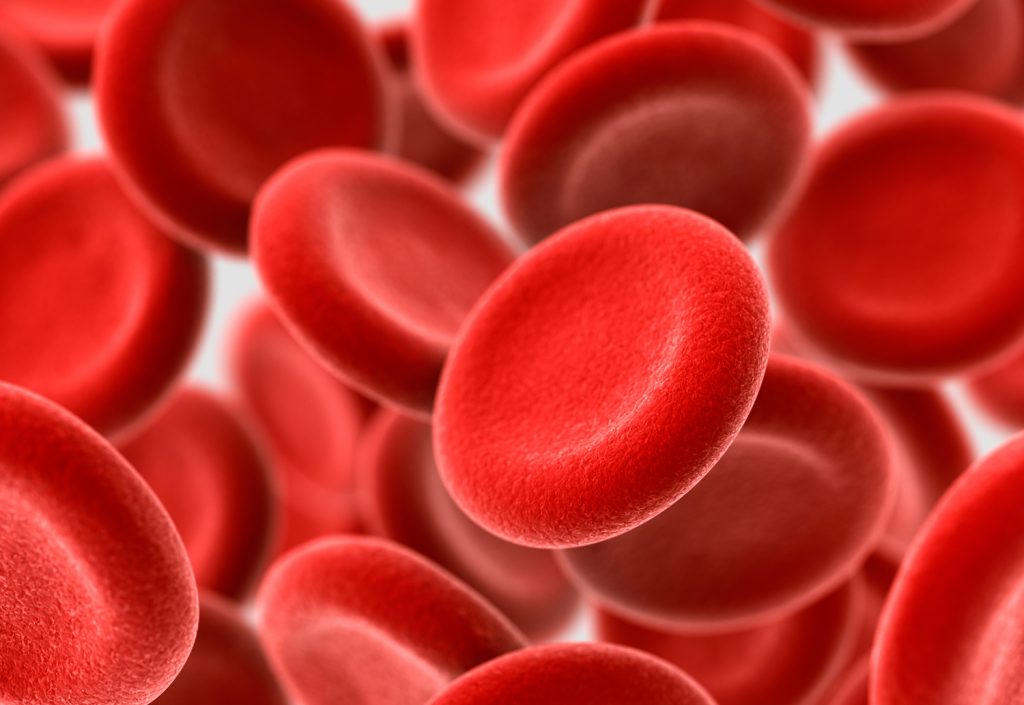
Anemia is a common blood disorder. It is a condition when the body does not have enough red blood cells and is unable to deliver enough oxygen throughout the body.


Anemia is diagnosed by a low haemoglobin or hematocrit level in a blood test. The main protein in red blood cells is haemoglobin. It transports and distributes oxygen throughout your body. Your haemoglobin level will be low if you have anaemia. If it falls below a certain level, your tissues or organs may not receive enough oxygen.


Symptoms of anemia


Lethargic or tiredness are the most common symptoms of anemia. Other symptoms include pale skin, an irregular or fast heartbeat, shortness of breath, chest pain, headache, and light-headedness.


Types of anemia


Among the types of anemia are sickle cell anemia, iron deficiency anemia, thalassemia, aplastic anemia, and many more.

Each of these types of anemia has its own cause.


In conclusion,

anemia must be treated depending on the cause, ranging from taking supplements to having medical procedures.

Most importantly, anemia can be prevented by consuming a healthy and varied diet.

Iron-rich foods include boiled cockles, chickpeas, fried soy bean curd, liver, dried anchovies, bitter gourd, spinach, and kangkung.


How to improve your blood circulation?

Individuals with poor blood circulation typically experience numbness and coldness in their extremities, particularly their hands and feet. It is often the result of an underlying condition to a more serious condition, such as uncontrolled diabetes or low blood pressure, but it can also be the result of poor posture, among other things.


Here are some tips on how to improve your blood circulation:


1. Go on regular walks 


Walking can improve blood circulation. Contraction of the calf muscle causes venous blood to be pushed back up to the heart. The arteries dilate when patients walk and improve blood flow throughout the body. Aim for a minimum of 30 minutes of walking three times per week.


2. Reduce your weight


Being obese or overweight poses a greater health risk to your circulatory system because it increases your risk of hypertension, high cholesterol, and diabetes, all of which lead to blood circulatory problems.


Consumption of food in moderation, balance and exercise regularly can help to prevent being obese and overweight.


3. Take more breaks at work


Taking more work breaks allows you to develop the habit of alternately sitting, standing, and walking. This reduces the demand on the circulatory system because sitting causes blood flow to slow and pool in your legs, resulting in muscle pain and fatigue. Thus, taking more breaks while working in an office is beneficial for improving blood flow and keeping your stress level in check.

Try to stretch every 15 to 20 minutes and get up and move every hour—even if it's just a power walk around your house.


4. Stay hydrated 

When your body is dehydrated, it affects the amount of blood that circulates through it. It also causes your blood to retain more sodium, causing it to thicken and making it much more difficult for your circulatory system to function properly.

Checking your pee is the simplest way to ensure that you are getting enough fluid. A yellow light or clear urine indicates that you are drinking enough water; anything darker indicates that you need to up your water intake game!


5. Manage your blood pressure


High blood pressure causes your blood circulation to go haywire, putting more strain on your heart and blood vessels. If you do not manage your blood pressure properly, the heart and circulatory system will have to work harder to supply blood flow throughout the body.

High blood sugar levels can harm the lining of small blood vessels, causing blood circulation issues. This condition will also encourage the formation of plaque in your blood vessels, further complicating matters.

Exercise, limiting sodium intake, reducing stress, getting enough sleep, and making changes to your lifestyle can all help to lower your blood pressure and improve your circulation. Ideally, your blood pressure should be less than 120/80 mmHg.


6. Elevate your legs


Elevating your legs relieves pressure on your veins because the blood does not have to work against gravity to return to the heart.

When you are watching TV or taking a nap, the most convenient time to elevate your legs is when you are lying down and prop your legs above your heart level for 15 minutes or more at a time. This will greatly improve overall blood circulation.

Benefits of Ginkgo

Ginkgo or maidenhair is an ancient Chinese herb ingredient. It is collected from the dried green leaves of the plant and is available as liquid extracts, capsules, and tablets. It is used for various reasons as a traditional herb supplement. Currently, many studies are still exploring whether ginkgo can improve health condition as per belief.


Ginkgo and blood circulation.


Ginkgo contains high levels of flavonoids and terpenoids, these are antioxidants that provide protection against oxidative cell damage from harmful free radicals. These antioxidants also help to improve blood circulation by dilating blood vessels and reducing the ‘stickiness’ of platelets.


Ginkgo’s apparent ability to increase blood flow to various parts of the body may be the origin of its many supposed benefits.


Ginkgo and brain function. 


Studies found conflicting findings on whether gingko can help with preventing and slows down Alzheimer and dementia, but studies also found out that it can help with improving cognition, memory, and attention.


Generally, ginkgo appears to be safe for consumption in moderate amount, research does not support the use of the supplement to prevent or slow dementia. Many more research is needed to find out what role gingko might play in supporting brain function and treating other conditions.

Showing 25 to 28 of 28 (2 Pages)