Health Articles
Find out more about your health here from our health professionals!

Is Your Busy Malaysian Lifestyle Making Your Liver Work Overtime?
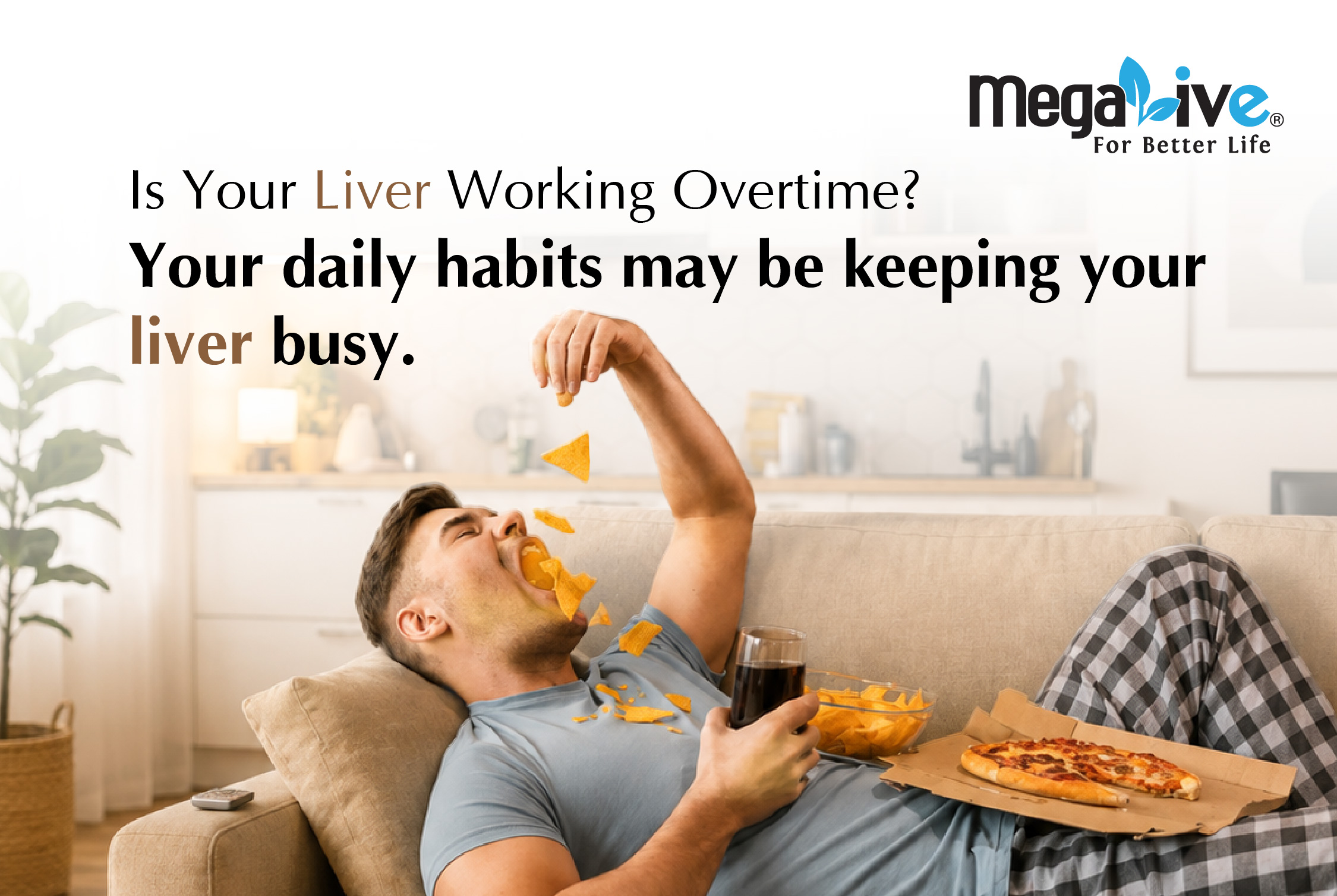
忙碌的马来西亚生活方式,会不会让你的肝脏“加班”?
Malaysia’s Food Culture and Liver Health
马来西亚饮食文化与肝脏健康
Malaysia is famous for its rich food culture, but frequent eating out can sometimes make healthy choices more challenging. High-fat meals, sugary drinks, large portions and late-night suppers can easily become part of our routine. For many Malaysians, busy schedules may also mean relying on convenient foods instead of balanced meals. You do not have to give up your favourite Malaysian foods, but moderation and balance can make a difference to your overall health.
马来西亚拥有丰富多样的饮食文化,但经常外食有时也会让健康饮食变得更具挑战。高脂食物、含糖饮料、过大的食物分量以及深夜宵夜,都很容易成为日常生活的一部分。对于许多马来西亚人来说,忙碌的生活节奏也可能让我们更依赖方便食品,而忽略均衡饮食。你不需要完全放弃喜欢的马来西亚美食,但适量与均衡仍然是维持整体健康的重要原则。
Long Working Hours Can Make Healthy Habits Harder
长时间工作,让健康生活习惯更难坚持
Many Malaysians spend long hours working, travelling or sitting at a desk, which can make it difficult to stay physically active. A sedentary lifestyle may also make maintaining a healthy weight more challenging. When work continues late into the evening, meals may become irregular and exercise can easily be pushed aside. Over time, these habits can make it harder to maintain overall metabolic health. Making time for regular movement throughout the day can be a simple step towards a healthier lifestyle.
许多马来西亚人每天需要长时间工作、通勤或坐在办公桌前,这可能让保持身体活动变得更加困难。久坐的生活方式也可能让维持健康体重变得更具挑战。当工作延续到晚上,饮食时间可能变得不规律,运动也很容易被放到一边。长期下来,这些生活习惯可能让维持整体代谢健康变得更加困难。在日常生活中安排一些活动时间,是迈向更健康生活方式的简单一步。
Are You Getting Enough Sleep?
你每天真的睡够了吗?
Late nights can be common when work deadlines, social activities, screen time or supper become part of the daily routine. Adults generally need at least 7 hours of sleep each night, although individual needs can vary. Consistently getting less sleep than your body needs may affect your overall wellbeing and make it harder to maintain healthy daily habits. Try to set a regular bedtime, reduce unnecessary late-night activities and give your body enough time to rest and recover. Getting sufficient sleep should be considered part of your overall health routine, alongside balanced nutrition and regular physical activity.
当工作截止日期、社交活动、长时间使用电子产品或宵夜成为日常生活的一部分,熬夜就很容易变得习以为常。一般而言,成年人每晚需要至少 7 小时的睡眠,但每个人的睡眠需求可能有所不同。长期睡眠不足可能影响整体身心状态,也可能让我们更难维持健康的日常习惯。尝试保持规律的睡眠时间,减少不必要的深夜活动,并给身体足够的休息与恢复时间。充足睡眠应该成为整体健康管理的一部分,与均衡饮食和规律运动同样重要。
Understanding Botanical Ingredients for Liver Health
The liver is one of the body's hardest-working organs, playing an essential role in metabolism, nutrient processing and the body's natural detoxification processes. While the liver has its own sophisticated systems for processing and eliminating unwanted substances, everyday habits such as an unbalanced diet, excessive alcohol intake, physical inactivity and being overweight can place additional challenges on metabolic health. Supporting liver health is therefore not about quick “detoxes”, but about maintaining healthy lifestyle habits and providing the body with nutritional and botanical support that may help maintain normal liver function.
1. Milk Thistle: Antioxidant and Cell-protective
Milk thistle (Silybum marianum) is one of the most widely studied botanicals associated with liver health. Silymarin, a natural compound found in milk thistle seeds, is known for its antioxidant properties. It may help protect liver cells from oxidative stress, support the body’s natural antioxidant defenses, and reduce inflammation. It also helps maintain healthy liver cell membranes, which may help protect cells from damage.[1]
2. Artichoke: Supporting Healthy Lipid Metabolism
Artichoke (Cynara scolymus) has a long history of traditional use for digestive and liver wellness. Cynara scolymus) supports liver wellness by promoting bile production, lowering elevated liver enzymes like ALT and AST, and reducing oxidative stress. Its active compounds, particularly cynarin and luteolin concentrated in the leaves, help protect and assist in the regeneration of hepatic tissue. [2]
3. Phyllanthus Niruri: Traditional Botanical Liver Support
The plant contains a range of naturally occurring phytochemicals that have been investigated for their antioxidant and liver-supporting properties. Studies in acute liver conditions, such as alcoholic hepatitis, have reported improvements in antioxidant status and certain markers of liver function. [3]
4. Dandelion: Supporting Liver Protection
Dandelion (Taraxacum officinale) is a familiar plant that has traditionally been used in herbal wellness practices. Its roots and leaves contain various naturally occurring compounds, including polyphenols and flavonoids, which have demonstrated antioxidant activity in laboratory and preclinical research. Some animal studies suggest that dandelion root extract may support liver health by helping protect against liver damage, reducing excess fat accumulation in the liver, and supporting the body’s antioxidant defenses.[4]
肝脏是人体最忙碌的器官之一,在新陈代谢、营养物质处理以及人体天然的解毒过程中发挥着重要作用。虽然肝脏本身拥有完善的机制来处理和排出不需要的物质,但日常生活中的一些习惯,例如饮食不均衡、过量饮酒、缺乏运动以及体重过重,都可能给代谢健康带来额外负担。因此,维护肝脏健康并不是依靠快速的“排毒”,而是通过保持健康的生活习惯,并为身体提供适当的营养与植物成分支持,以帮助维持正常的肝脏功能。
1. 奶蓟草:抗氧化与细胞保护
奶蓟草(Silybum marianum)是目前与肝脏健康相关研究较为广泛的植物成分之一。水飞蓟素(Silymarin)**是一种天然植物化合物,主要存在于奶蓟草种子中,具有抗氧化特性。它可能有助于保护肝脏细胞免受氧化压力的影响,同时支持身体自身的抗氧化防御能力,并帮助调节炎症反应。此外,水飞蓟素也有助于维持健康的肝细胞膜,从而帮助保护细胞免受损伤。[1]
2. 朝鲜蓟:支持健康的脂质代谢
朝鲜蓟(Cynara scolymus)长期以来被用于传统草本保健,尤其与消化及肝脏健康有关。研究显示,朝鲜蓟可能通过促进胆汁生成、帮助维持正常的肝酶水平以及减轻氧化压力来支持肝脏健康。其主要活性成分,尤其是集中于叶片中的朝鲜蓟酸(Cynarin)和木犀草素(Luteolin),也受到研究人员的关注,并被研究其对肝脏组织的保护作用。[2]
3. 珠子草:传统草本肝脏支持
珠子草含有多种天然植物化合物,这些成分已被研究其抗氧化及支持肝脏健康的潜在作用。针对酒精性肝炎等急性肝脏问题的研究显示,其可能有助于改善抗氧化状态以及部分肝功能指标。[3]
4. 蒲公英:支持肝脏保护
蒲公英(Taraxacum officinale)是一种常见植物,在传统草本保健中已有悠久的应用历史。其根部和叶片含有多种天然植物化合物,包括多酚和黄酮类化合物,这些成分在实验室及前临床研究中展现出抗氧化活性。一些动物研究显示,蒲公英根萃取物可能有助于支持肝脏健康、保护肝脏免受损伤、减少肝脏中过多脂肪的积累,并支持身体的抗氧化防御能力。[4]
Four Botanicals, One Broader Approach
四种植物成分,更全面的营养支持
Milk Thistle, Artichoke, Phyllanthus niruri and Dandelion each contain different naturally occurring compounds and have different traditional uses. Combining these botanical ingredients provides a broader nutritional approach rather than focusing on a single ingredient alone. This may be relevant for people who want to pay more attention to their overall liver and metabolic wellness. However, nutritional support works best alongside balanced eating, regular physical activity, sufficient sleep and responsible lifestyle choices. Your daily habits should remain the foundation of your approach to long-term health.
奶蓟草、朝鲜蓟、珠子草和蒲公英各自含有不同的天然化合物,也拥有不同的传统应用方式。将这些植物成分结合,可以提供更全面的营养支持,而不是单纯关注某一种成分。对于希望更加关注整体肝脏及代谢健康的人来说,这种综合营养方式可能值得关注。不过,营养支持应与均衡饮食、规律运动、充足睡眠以及健康的生活习惯相结合。日常生活中的健康习惯,始终应该是长期健康管理的基础。
Give Your Liver Better Everyday Habits
从每天的生活习惯开始照顾肝脏
You do not need to give up Malaysian food completely to take better care of your liver. Start with realistic changes such as choosing balanced meals, moderating your intake of high-fat and sugary foods, drinking enough water and staying physically active. Aim for at least 7 hours of sleep each night, maintain a consistent sleep routine and avoid making late nights a regular habit. If you drink alcohol, be mindful of your intake, and use medicines and supplements responsibly according to recommended directions.
想要更好地照顾肝脏,并不代表你需要完全放弃美食。可以从实际的小改变开始,例如选择均衡饮食、适量摄取高脂及高糖食物、喝足够的水,并保持规律运动。每晚尽量获得至少 7 小时的睡眠,保持规律的作息,并避免让熬夜成为长期习惯。如果有饮酒,也应注意摄取量,并按照建议正确及负责任地使用药物和营养补充剂。
Your Liver Works Every Day
你的肝脏每天都在工作
Your liver works quietly every day, even when you are busy with work, family and everyday life. You may not always notice the work it does, but your daily choices can still play an important part in supporting your overall wellbeing. A balanced diet, regular movement, sufficient sleep and responsible lifestyle choices can all contribute to a healthier routine. Instead of waiting for a health concern to remind you, start making small changes today. Your liver works every day, so your healthy habits should too.
即使你每天忙于工作、家庭和生活琐事,肝脏依然默默地持续工作。你可能不会时刻察觉它所承担的工作,但每天的生活选择仍然可以成为整体健康管理的一部分。均衡饮食、规律活动、充足睡眠以及负责任的生活习惯,都可以帮助建立更健康的生活方式。与其等到健康问题出现后才开始关注,不如从今天开始做出一些小改变。你的肝脏每天都在工作,所以健康的生活习惯也应该每天坚持。
Want to Learn More?
想了解更多?
For more information about liver health, botanical ingredients and nutritional support, visit the MegaLive official website to explore detailed product information, ingredients and formulations. Understanding the ingredients and nutritional approach can help you make more informed choices about your health. Supplements should complement, not replace, a balanced diet and healthy lifestyle.
想了解更多关于肝脏健康、植物成分及营养支持的资讯,欢迎浏览 MegaLive 官方网站,了解更多产品资料、成分及配方详情。了解产品中的成分及营养理念,可以帮助你在健康管理方面作出更明智的选择。
References:
-
Gillessen, A., Angelico, F., Chen, J., Lu, L., Lucena, M. I., Fu, Q., Xie, Q., Andrade, R. J., Xie, W., Xu, X., Yu, Y., Mao, Y.-M., & Nan, Y. (2022). Silymarin for treating toxic liver disease: International consensus recommendations. Gastro Hep Advances, https://pmc.ncbi.nlm.nih.gov/articles/PMC11307908/
-
Ben Salem, M., Affes, H., Ksouda, K., Dhouibi, R., Sahnoun, Z., Hammami, S., & Zeghal, K. M. (2015). Pharmacological studies of artichoke leaf extract and their health benefits. Plant Foods for Human Nutrition, https://pubmed.ncbi.nlm.nih.gov/26310198/
-
Sowjanya, K., Girish, C., Bammigatti, C., & Lakshmi, N. C. P. (2021). Efficacy of Phyllanthus niruri on improving liver functions in patients with alcoholic hepatitis: A double-blind randomized controlled trial. Indian Journal of Pharmacology. https://pmc.ncbi.nlm.nih.gov/articles/PMC8764976/
-
Healthline Editorial Team. (2026, February 20). Dandelion: Potential health benefits and side effects. Healthline. https://www.healthline.com/nutrition/dandelion-benefits#liver-health
#LiverHealth #LiverCare #HealthyLiver #HealthyHabits #HealthyLifestyle #NutritionTips #HealthAwareness #MalaysiaHealth #MalaysianLifestyle #MegaLive #ForBetterLife

Proactive Steps to Maintain Liver Health
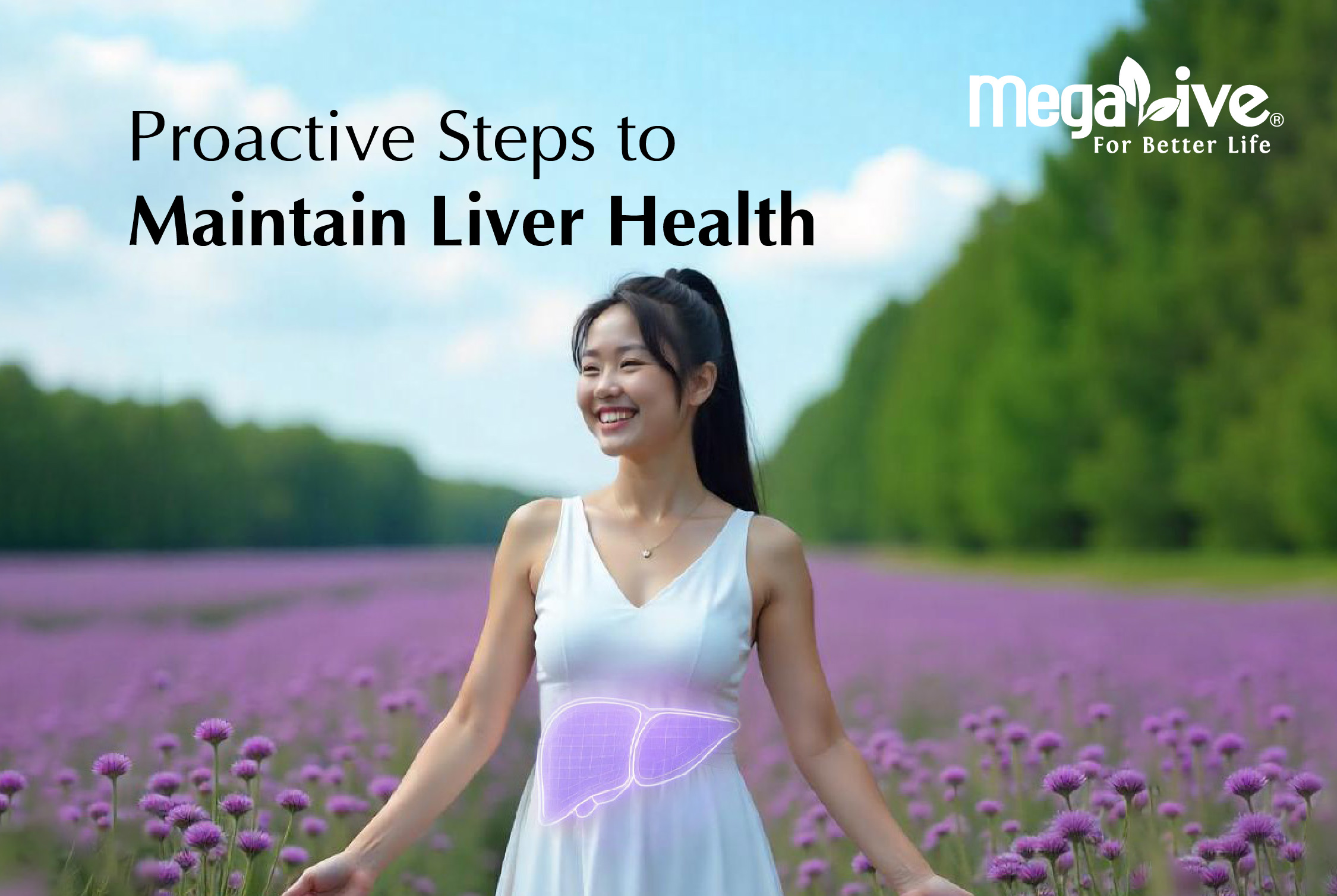
The liver is one of the most vital organs in the human body, responsible for filtering toxins, metabolizing nutrients, and supporting digestion. However, poor lifestyle choices, an unhealthy diet, and certain medical conditions can put the liver at risk of disease. Taking proactive steps to maintain liver health can prevent serious complications and promote overall well-being. Here are some key ways to protect the liver and reduce the risk of liver disease.
1. Limit Alcohol Consumption
Excessive alcohol intake is a leading cause of liver damage, leading to conditions such as fatty liver disease, hepatitis, and cirrhosis [1]. It is recommended to:
-
Take alcohol-free days to allow the liver to recover.
-
Quit alcohol completely if diagnosed with liver disease to prevent further damage.
2. Practice Safe Medication Use
Overuse or misuse of medications, especially pain relievers like acetaminophen, can damage the liver. Always follow dosage recommendations, consult a doctor before mixing medications, and avoid self-medicating [2].
3. Incorporate Milk Thistle Extract
Milk thistle is an herbal supplement known for its potential liver-protecting properties. It contains silymarin, which supports liver health through its antioxidant activity [3]. Including milk thistle extract as part of a healthy routine may aid in maintaining liver function.
4. Get Enough Sleep
Quality sleep plays a crucial role in liver health. During sleep, the body undergoes essential repair and detoxification processes, helping the liver function optimally [4]. Aim for 7-9 hours of restful sleep each night to support overall liver function.
By making these lifestyle changes, individuals can safeguard their liver health and prevent the onset of serious liver diseases. A proactive approach ensures a longer, healthier life with optimal liver function.
References
-
World Health Organization. (n.d.). Alcohol. https://www.who.int/news-room/fact-sheets/detail/alcohol
-
U.S. Food and Drug Administration. (n.d.). Don’t Overuse Acetaminophen: https://www.fda.gov/consumers/consumer-updates/dont-overuse-acetaminophen#:~:text=But%20taking%20too%20much%20acetaminophen,take%20several%20days%20to%20appear
-
Gillessen, A., & Schmidt, H. H.-J. (2020). Silymarin as supportive treatment in liver diseases: A narrative review. https://pmc.ncbi.nlm.nih.gov/articles/PMC7140758/
-
Um, Y. J., Chang, Y., Jung, H.-S., Cho, I. Y., Shin, J. H., Shin, H., Wild, S. H., Byrne, C. D., & Ryu, S. (2021). Sleep duration, sleep quality, and the development of nonalcoholic fatty liver disease: A cohort study. https://pmc.ncbi.nlm.nih.gov/articles/PMC8528229/

Liver Health 101
The liver is the organ located in the upper right side of the abdomen, just below the diaphragm. It is the largest internal organ of the human body. The main roles of liver include removing toxins from the body, processing food nutrients, and helping to regulate body metabolism.
However, there are certain conditions that prevent liver from performing its vital functions including, accumulation of fat in the liver, misuse of alcohol, viral infection, iron or copper accumulation, toxic damage, and cancer.
Signs and symptoms of liver diseases
Certain types of liver disease such as non- alcohol fatty liver disease have no symptoms at all. For other liver conditions, the most common symptom is jaundice. Jaundice develops when the liver cannot clear a substance called bilirubin in the body hence making skin and the white eyes area appear yellowish.
Other symptoms include abdominal (belly) pain, bruising easily, changes in the color of the urine and stool, fatigue, nausea, or vomiting, swelling in the arms or legs (edema).
Once notice any of these symptoms it is best to seek immediate medical attention.
Causes of liver diseases
There are many causes of liver disease such as hepatitis virus infections, alcohol related liver disease, toxic effect from medication or/ and herbal medications, autoimmune disease, and congenital abnormalities such as accumulation of iron and copper in the body, or some rare enzyme disorders.
Diagnosis of liver diseases
Liver disease is diagnosed using several tests, including physical examination, medical history such as diet, consumption of alcohol, exposure to hepatitis infection, previous blood transfusions, tattoos, and family history of liver disease.
Other than these, blood test will also be conducted to test the levels of liver enzymes, jaundice, and the protein production capability of the liver.
Ultrasound scan of the abdomen (belly) will be conducted to check liver for abnormal lumps and assess fluid accumulation. Other scan including CT scan, MRI, and biopsy, a small piece of liver tissue is removed and examined under microscope in a laboratory to confirm the diagnosis will all be conducted in giving the precise diagnosis.
Treatment of liver diseases
Treatment depends on the cause of liver diseases, but among usual would be to avoid alcohol and any drugs that might damage the liver, consumption of well balance diet, consumption of prescribed medication to manage the disease and periodic removal of blood to bring iron levels down to normal in patient with haemochromatosis.
As for liver cancer, surgery, chemotherapy, and radiotherapy, or liver transplantation are the usual treatment given. In the case where liver is failing, liver transplantation are the usual treatments for liver cancer.
References
- Victoria. Better Health Channel. Liver. https://www.betterhealth.vic.gov.au/health/conditionsandtreatments/liver (Retrieved on November 9, 2022).
- Cleveland Clinic. Liver Disease. https://my.clevelandclinic.org/health/diseases/17179-liver-disease (Retrieved on Novemeber 9, 2022).
- Mayo Clinic. Liver Disease. https://www.mayoclinic.org/diseases-conditions/liver-problems/symptoms-causes/syc-20374502 (Retrieved on November 9, 2022).

NAFLD, what is that?
Fatty liver disease is a condition that affects obese and overweight people. Fatty liver disease means that you have fat inside your liver, which can affect liver functions and cause liver injury over time.
Fatty liver disease can be divided into two types. Individuals with just fat but no damage to the liver is referred to as Non – Alcoholic Fatty Liver Disease (NAFLD), whereas individuals with fat in the liver and signs of inflammation and liver cell damage, is called nonalcoholic steatohepatitis (NASH).
NAFLD is a silent disease with few or no symptoms at all, however you are at risk of having NAFLD if you are:
a. Obese or overweight individuals.
b. Have type 2 diabetes.
c. Have high blood pressure.
d. Have metabolic syndrome (combination of diabetes, high blood pressure, and obesity).
e. Over the age of 50.
f. Smoker.
Symptoms of NAFLD includes:
a. A dull or aching pain in the top right of the tummy (over the lower right sides of the ribs).
b. Excessive tiredness.
c. Unusual weight loss.
d. Weakness.
Doctors use blood test, imaging test, and liver biopsy to diagnose NAFLD and NASH and to differentiate these two.
NAFLD, on the other hand, usually does not cause any harm in the early stages, but as it progresses, it can cause serious liver damage, including cirrhosis, if it worsens.
Currently, there is no specific medication that can be used to treat NAFLD, but recommended treatments are usually associated with managing current risk factors such as high blood pressure, diabetes, and cholesterol.
Among lifestyle modifications that are highly suggested for NAFLD are losing weight by consuming a healthy diet, limiting processed, sugary and salty foods, exercise regularly, stop smoking, and cut down on drinking alcohol, though NAFLD is not caused by alcohol consumption but, it is advisable to cut down or stop drinking alcohol to not make it worse.
References
- National Health Service (NHS). Non-alcoholic fatty liver disease (NAFLD). https://www.nhs.uk/conditions/non-alcoholic-fatty-liver-disease/#:~:text=Non%2Dalcoholic%20fatty%20liver%20disease%20(NAFLD)%20is%20the%20term,cirrhosis%2C%20if%20it%20gets%20worse. (Retrieved on Nov 2, 2022).
- John Hopkins Medicine. Nonalcoholic Fatty Liver Disease. https://www.hopkinsmedicine.org/health/conditions-and-diseases/nonalcoholic-fatty-liver-disease (Info retrieved on Nov 2, 2022).
- National Institute of Diabetes and Digestive and Kidney Diseases. https://www.niddk.nih.gov/health-information/liver-disease/nafld-nash (Info retrieved on Nov 2, 2022).

How to take care of liver health
The liver is the body's largest organ. It is located in the upper right abdomen, just below the diaphragm.
Among the most essential functions of the liver are:
- Produces important substances such as turning fats into energy and creating albumin that helps to carry hormones and drugs.
- Get rid of bilirubin in bile, in which the accumulation of bilirubin can lead to jaundice.
- Removing waste products from the, such as alcohol and medicine.
- Regulating immune response.
- Helps in regulating the glucose level in the body.
With all these functions mentioned, it is extremely important to take care of the liver as it carries various functions in the body.

With all these functions mentioned, it is extremely important to take care of the liver as it carries various functions in the body.
Here are some tips to take care of your liver’s health:
- Be careful of alcohol intake. Consumption of alcohol can lead to liver scarring in which in the long run can lead to cirrhosis.
- Wash your produce and steer clear of toxins. Pesticides and other toxins can damage your liver. Always thoroughly wash your produce using salt, vinegar, or simply soak it in water to remove the external pesticides.
- Prevent hepatitis A, B, and C
For hepatitis A and B, it is best to get vaccination.
For hepatitis B and C, which can be transmitted by blood and other bodily fluids, practice safe sex to prevent it.
For hepatitis A, which is spread through contact with contaminated foods or water, frequent hand washing and the non-sharing of cutlery are vital.
- Maintain a healthy body weight. Being overweight and obese may increase your chances of developing non-alcohol fatty liver disease (NAFLD).
- Exercise frequently.